

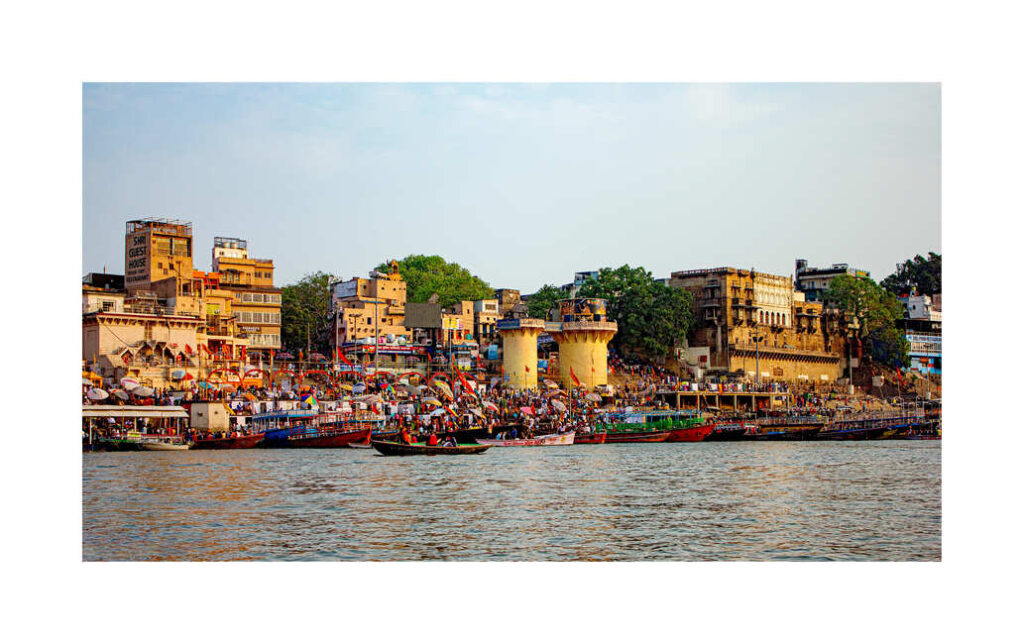
Since the Modi government came to power in 2014, India has witnessed the development of religious tourism on an unprecedented scale. In times to come it can become a significant contributor to the country’s economic development
Religious tourism is embedded in the soul of India. The temples, mosques, churches, gurudwaras, and pilgrimage sites here are not only centres of faith but are also the basis of social, cultural and economic life. Post-2014, a new wave of religious tourism is sweeping across the country.
The efforts made under the leadership of Prime Minister Narendra Modi for the development, modernisation and global recognition of religious places are unprecedented. The tradition of undertaking long journeys to places of religious significance has a long history in India. But, after 2014, Modi’s personal religious beliefs have given a new purpose and direction to this form of tourism. Religious tourism is no longer limited to the practice of faith but has also become a medium of showcasing the country’s cultural heritage, local development, employment, and global identity.
Ram Narendra Das, a famous storyteller of Ayodhya, says, “Religious places are not only centres of faith, but are centres that connect the society, provide employment, and keep the culture alive. The changes that are visible in Ayodhya today serve as an inspiration for the entire country.” After the construction of the grand temple of Ram Lalla, there has been a surge of religious tourists to Ayodhya. This has led to the creation of new avenues for employment and many opportunities have opened up for small and big businesses in the hospitality sector.
Kashi Vishwanath Dham: A Confluence Of Faith And Modernity
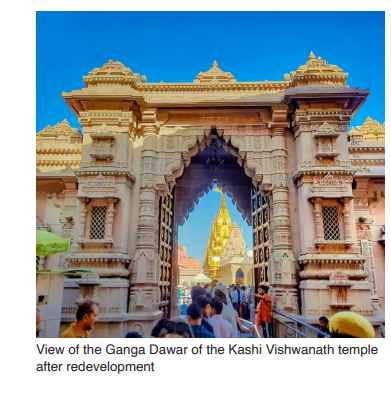
Development of the Kashi Vishwanath Dham corridor in Varanasi is one of the more prominent highlights of the Modi government’s efforts to promote religious tourism. The large-scale renovation of the path leading to the iconic temple of Lord Vishwanath has restored the cultural and religious significance of one of the holiest sites of Hinduism. The roads have been widened, the world-famous ghats on the bank of the Ganga have been renovated, the entire complex has been cleaned up, and new hotels have come up. All these factors have given a fresh impetus to the footfalls at the holy site.
After the inauguration of Kashi Vishwanath Dham in 2021, local trade, the hotel industry, the handicrafts sector, transport and other small industries have benefitted tremendously. Shri Pranavanandji Maharaj of Kashi says, “This rejuvenation of Kashi is a matter of pride not only for the devotees but for the entire Sanatan society. Now every traveller coming here experiences both divinity and convenience.”
Ayodhya: Ram Mandir, Deepotsav And New Identity
The construction of the Shri Ram Janmabhoomi temple in Ayodhya began after the 2019 Supreme Court verdict and in 2024 the doors of the grand temple of Ram Lalla were opened to devotees. This project has given Ayodhya a new identity on the global religious map. Deepotsav, organised every year on Diwali, has now become a global attraction. In 2023, a Guinness World Record was created with the lighting of more than 22 lakh lamps at the Ayodhya Deepotsav. During the Deepotsav, devotees and tourists from across the country and abroad visit Ayodhya, leading to unprecedented economic activity.
Religious Circuit: Ramayana, Kashi And Buddha Circuit
The Modi government has created theme-based circuits to promote religious tourism. Ayodhya, Chitrakoot, Nandigram, Shringaverpur, Sitamarhi, Janakpur (Nepal), Prayagraj, Nashik, Hampi, Rameswaram and so on have been included under the Ramayana Circuit. Similarly, Kashi Circuit, Buddha Circuit, Krishna Circuit and Shakti Peeth Circuit have also been developed. Roads, passenger facilities, information centres, security, tourist guides, digital payments and the like have been developed under these circuits, making pilgrimage smooth and safe.
Expansion of airports
The government has also given priority to air connectivity to promote religious tourism. Since 2014, more than 75 new airports or terminals have been developed in the country, many of which are near religious places.
The number of passengers at Varanasi airport had almost doubled in 2024, compared to 2014. Airports in cities like Dehradun, Ujjain, Tirupati, Shirdi, Puri, Amritsar, Gaya, Patna, Ranchi, Guwahati, Madurai, and Trichy have been expanded or modernised, making pilgrimage more accessible and time saving. Through the Udan scheme, small cities and religious places are being connected to the air network, so that devotees can easily reach the pilgrimage sites from any corner of the country.
Economic Impact Of Schemes
Schemes like Prasad and Swadesh Darshan of the Modi government are giving a new direction to religious tourism. Under the Prasad scheme, 41 major pilgrimage sites of the country are being developed comprehensively. Theme-based tourism circuits are being developed under the Swadesh Darshan scheme. Projects like Mahakal Lok in Ujjain, Kedarnath Dham, Somnath Temple, Mathura-Vrindavan, Chitrakoot, Datia, Kamakhya, Uchaith Bhagwati, and Mahalaxmi Temple, among others, are proof of the government’s commitment to developing religious tourism to world standards. In 2022, 143.9 crore tourists visited religious places in India, generating a revenue of about ₹1.34 lakh crore. It is estimated that by 2028, India can earn $59 billion from religious tourism and by 2030, 14 crore permanent and temporary jobs can be created.
New opportunities for women and youth
The development of religious tourism has also opened new opportunities for women and youth. Women are now employed in hotels, guest houses, handicrafts making, flower decoration, making of puja material, in restaurants, and in guiding, etc. Youth are getting new employment opportunities such as becoming tourist guides, travel agents, drivers, and digital marketing and event management experts.
What Is In the Government’s Pipeline?
Many other schemes have been proposed to further strengthen religious tourism. An investment of more than ₹85,000 crore has been proposed under the Master Plan 2031 of Ayodhya. Under this, facilities like redevelopment of the city, smart traffic management, housing, cleanliness, tourist information centres, passenger accommodation, parking, security, smart city facilities, and digital connectivity will be expanded.
Similarly, the government has prepared long-term development plans for Kashi, Ujjain, Mathura-Vrindavan, Kedarnath, Somnath, Amarnath, Vaishno Devi, Tirupati, Puri, Shirdi, Kamakhya, Chitrakoot, Mahakal Lok, and other religious places. Facilities like railways, air travel, road transport, hotels and lodging, health services and digital guidance are being continuously improved.
Apart from this, the government is also making new policies to develop religious tourism as an industry for attracting private investment, promotion of local products and encouraging eco-friendly tourism. According to the various stakeholders, this change is not only an economic but also cultural and spiritual renaissance. Efforts like Ayodhya’s Deepotsav, Kashi Vishwanath Dham, Ramayana Circuit, Buddha Circuit, etc., have established India as a global hotspot of religious tourism. In coming times, the significance of religious tourism will increase even more, which will majorly contribute to the economic development of the country.
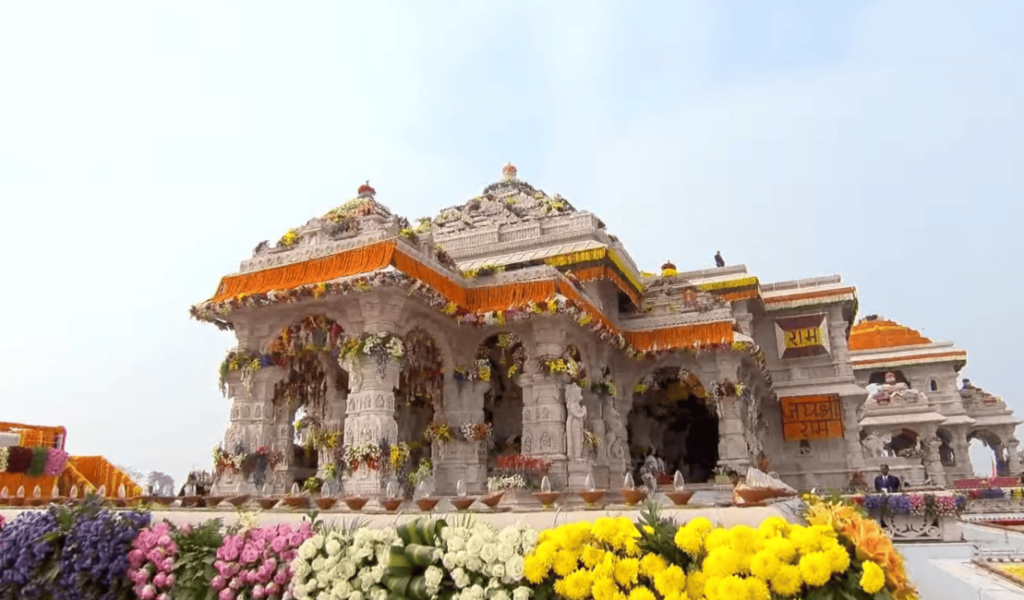
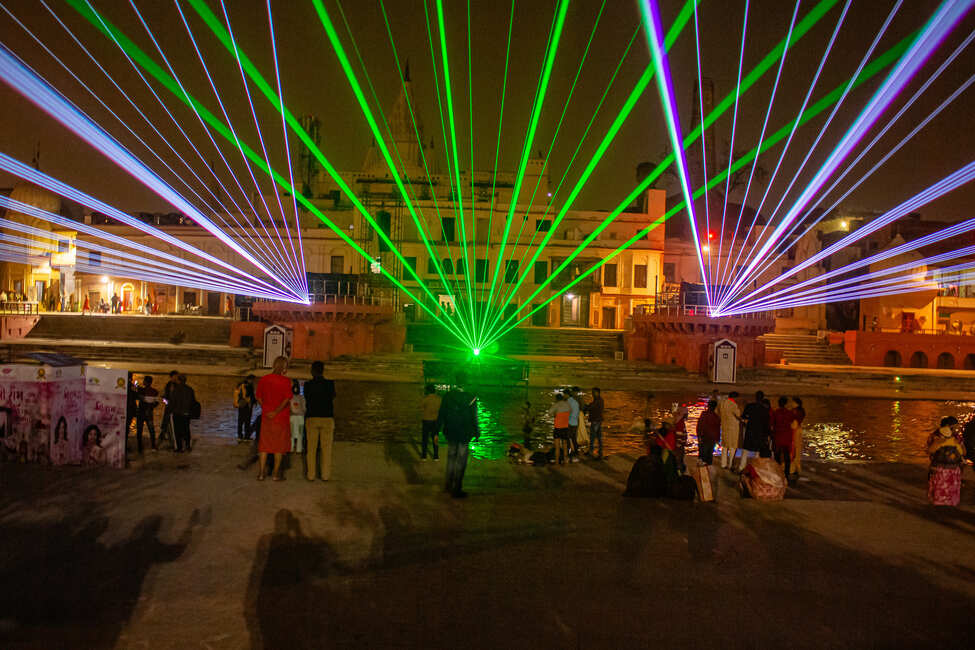
The Ram Lalla temple that is being built in Ayodhya has become one of the biggest centres of religious tourism in the country. (Below) The ghats on the banks of the Saryu river have been given a major facelift
In 2022, 143.9 crore tourists visited religious places in India, generating a revenue of about ₹1.34 lakh crore. It is estimated that by 2028, India can earn $59 billion from religious tourism and by 2030, 14 crore permanent and temporary jobs can be created
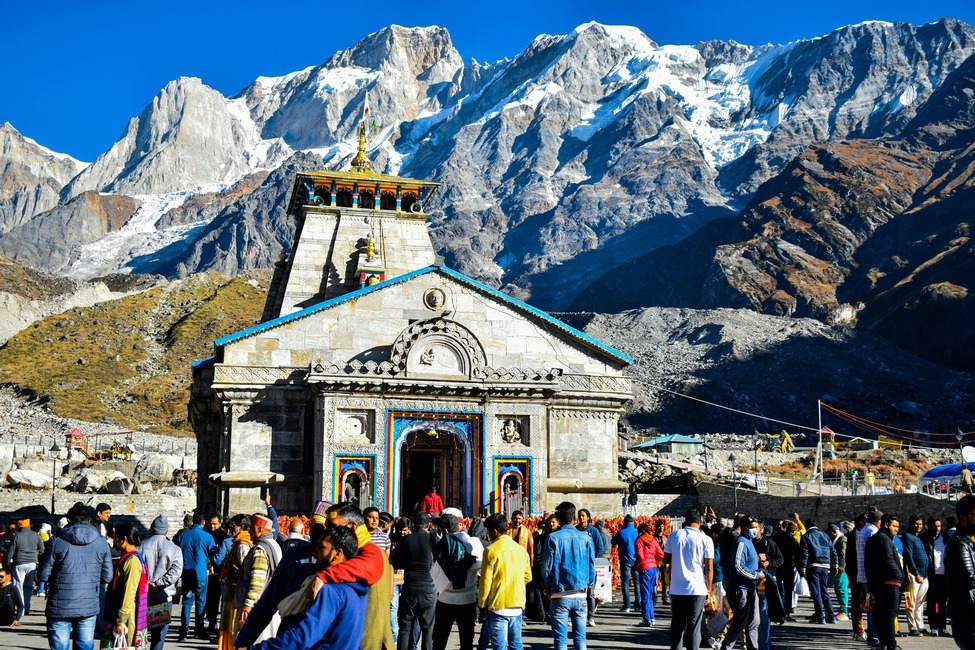
The redevelopment of the Kedarnath complex following the flash floods of 2013 has completely transformed the area and now attracts hundreds of tourists every year as part of the Char Dham circuit